Five Days in Apayao: KMU Brings Biodiversity Science, Bees and Partnership to the Cordillera
From the Provincial Capitol to the forests of Calanasan and the halls of institutions, Kaohsiung Medical University spends five days building a research partnership with the people of Apayao.
October 1–5, 2026 | Five Days in Apayao: KMU Brings Biodiversity Science, Bees and Partnership to the Cordillera
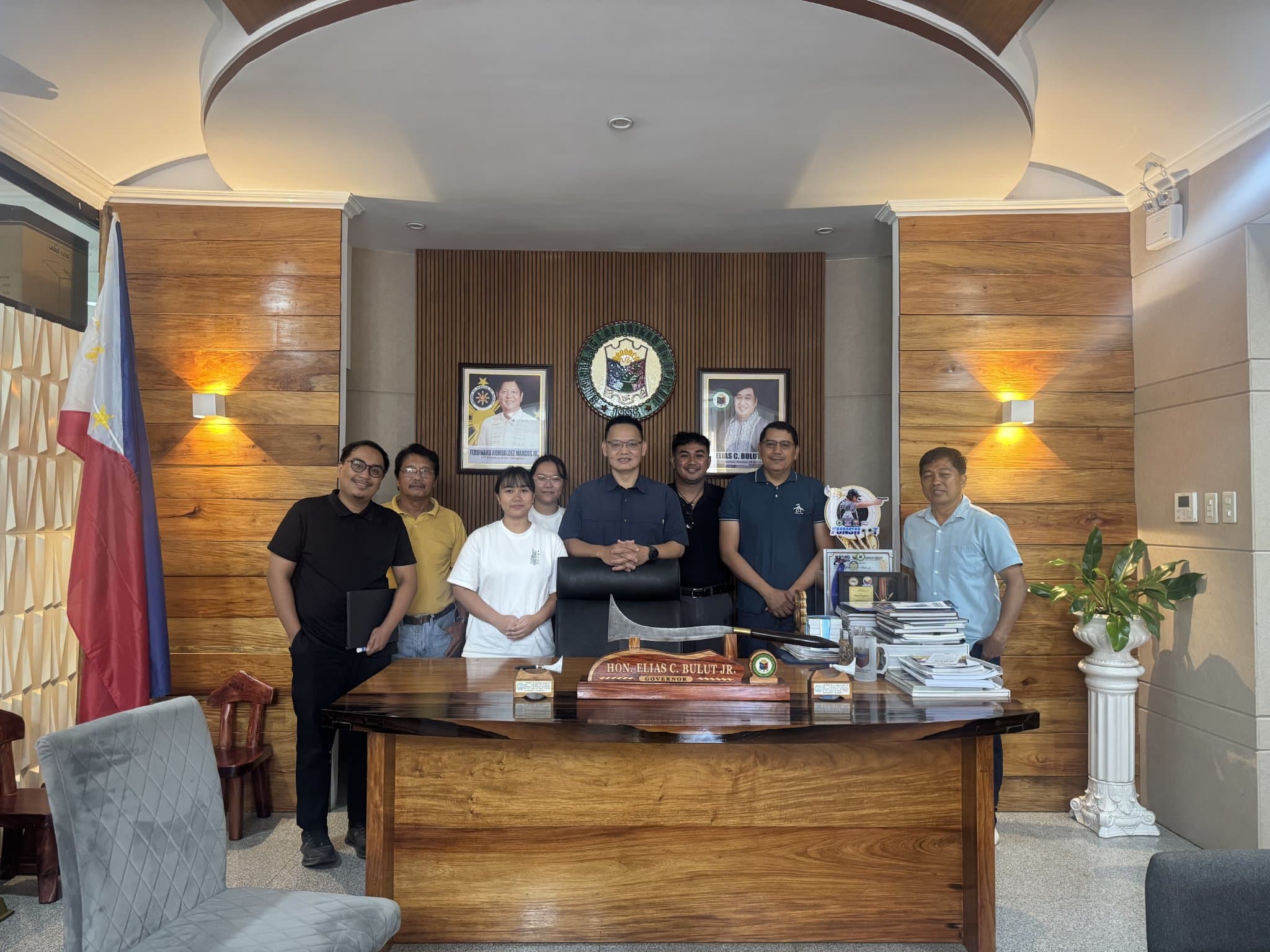
Where should biodiversity science happen? For Dr. Yong-Chao Su of Kaohsiung Medical University (KMU), the answer is close to the forest. From October 1 to 5, a KMU delegation, joined by the UP Los Baños Bee Program and Indigenous students from Namasia, Kaohsiung, travels across the Province of Apayao on a mission that begins with an invitation from Governor Elias C. Bulut, Jr.
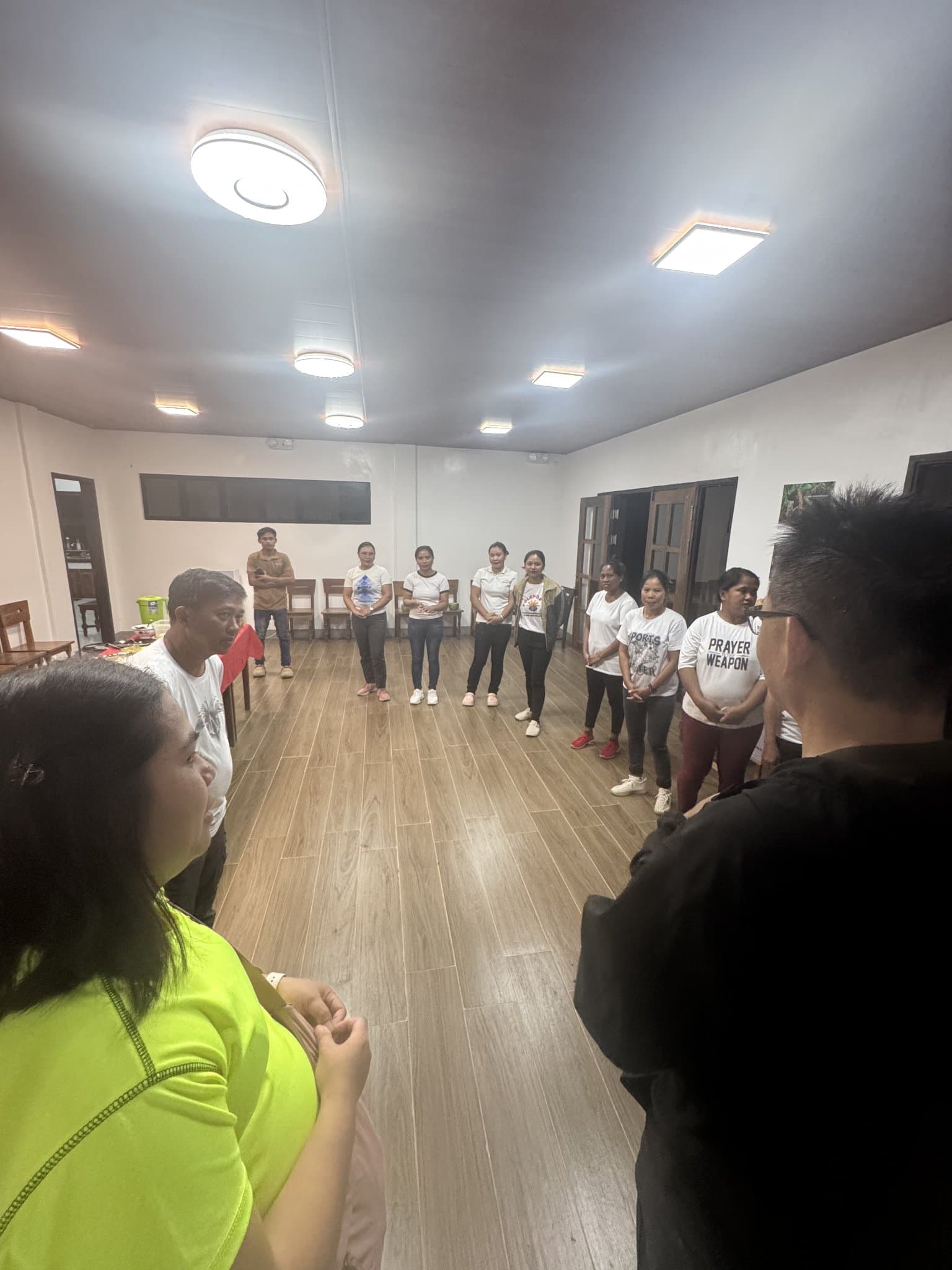
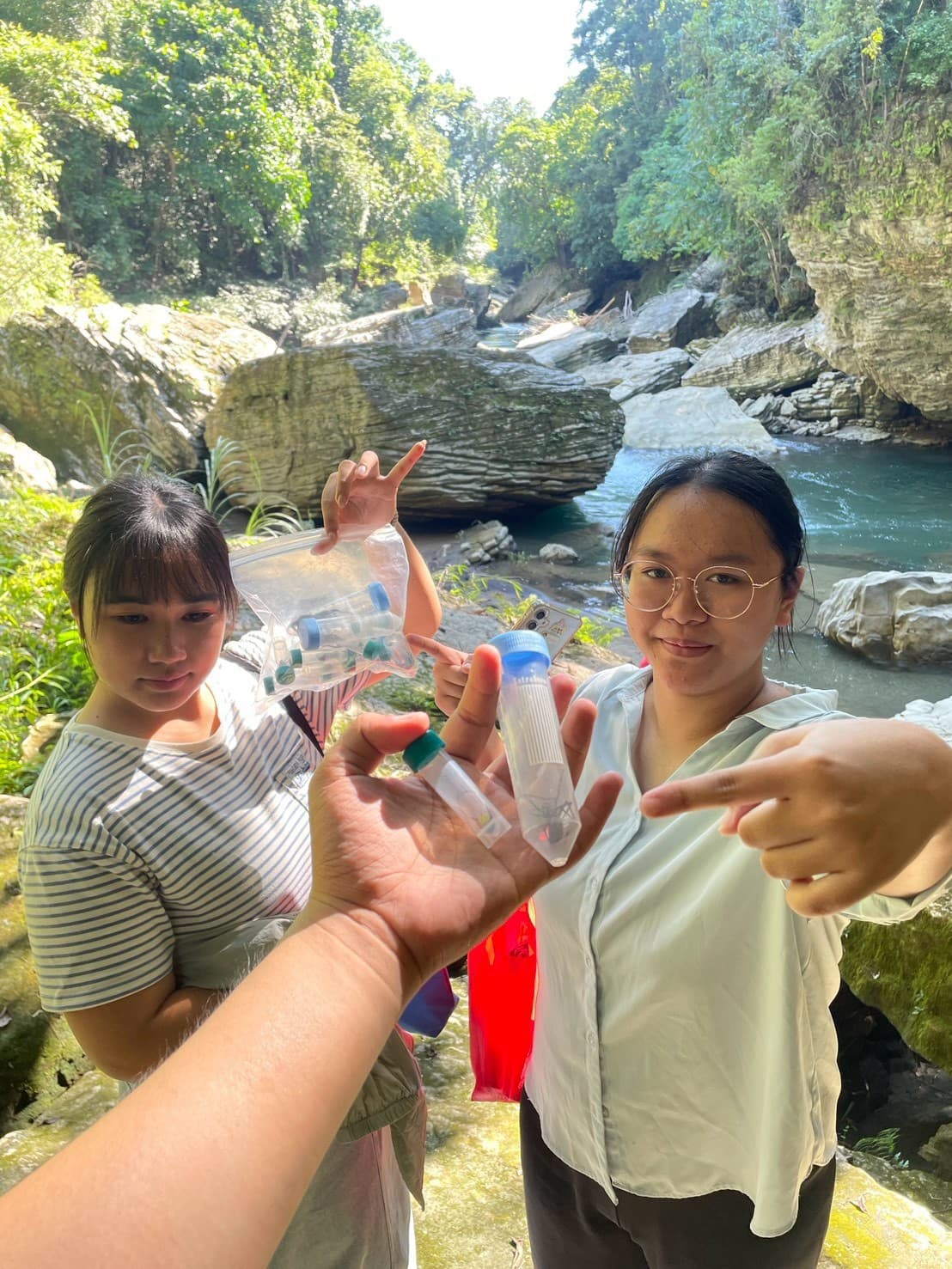
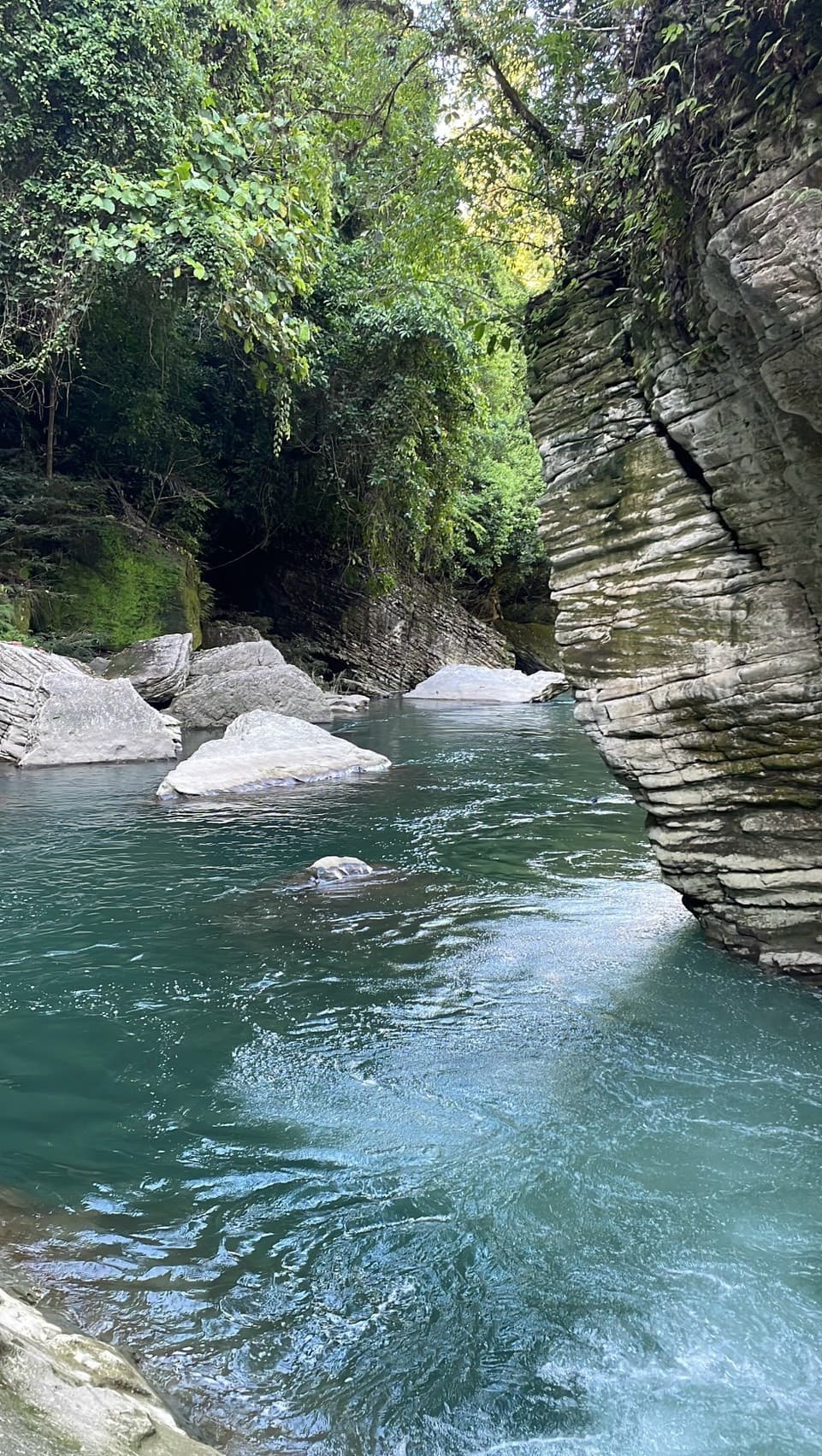
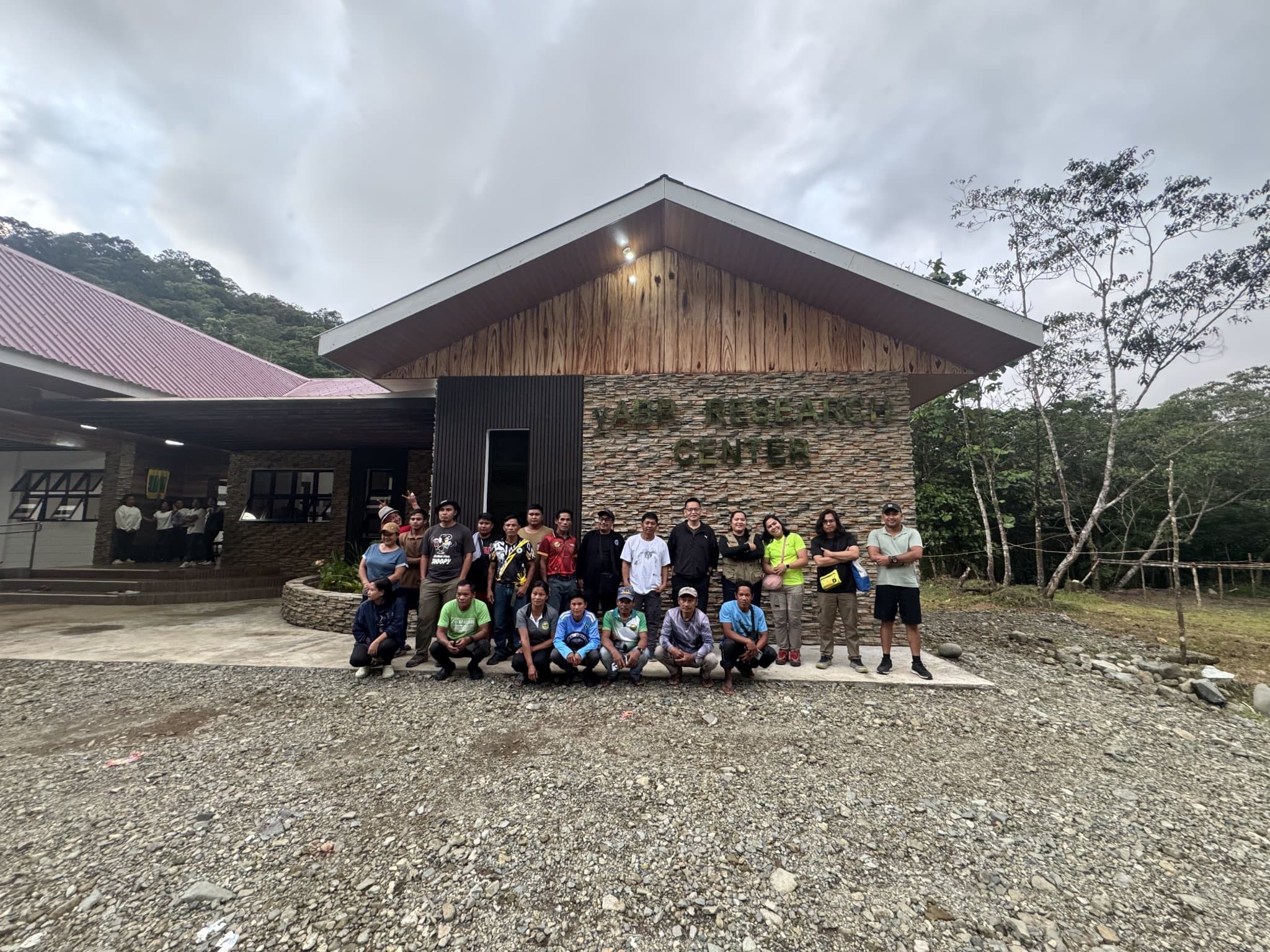
A lab where the forest is. At the Provincial Capitol in Luna, the delegation meets the Office of the Governor and Provincial Administrator Arnold Castillo. Dr. Su proposes a small but complete biodiversity-genomics “mirror laboratory” at the yApayaos Biosphere Reserve Research Center in Eva, Calanasan, to be run by local faculty trained at KMU. The next day, the team visits the center itself in the core zone of Apayao’s UNESCO Biosphere Reserve, samples with local guides and green guards, and ends the evening sharing food and a circle dance with the community.
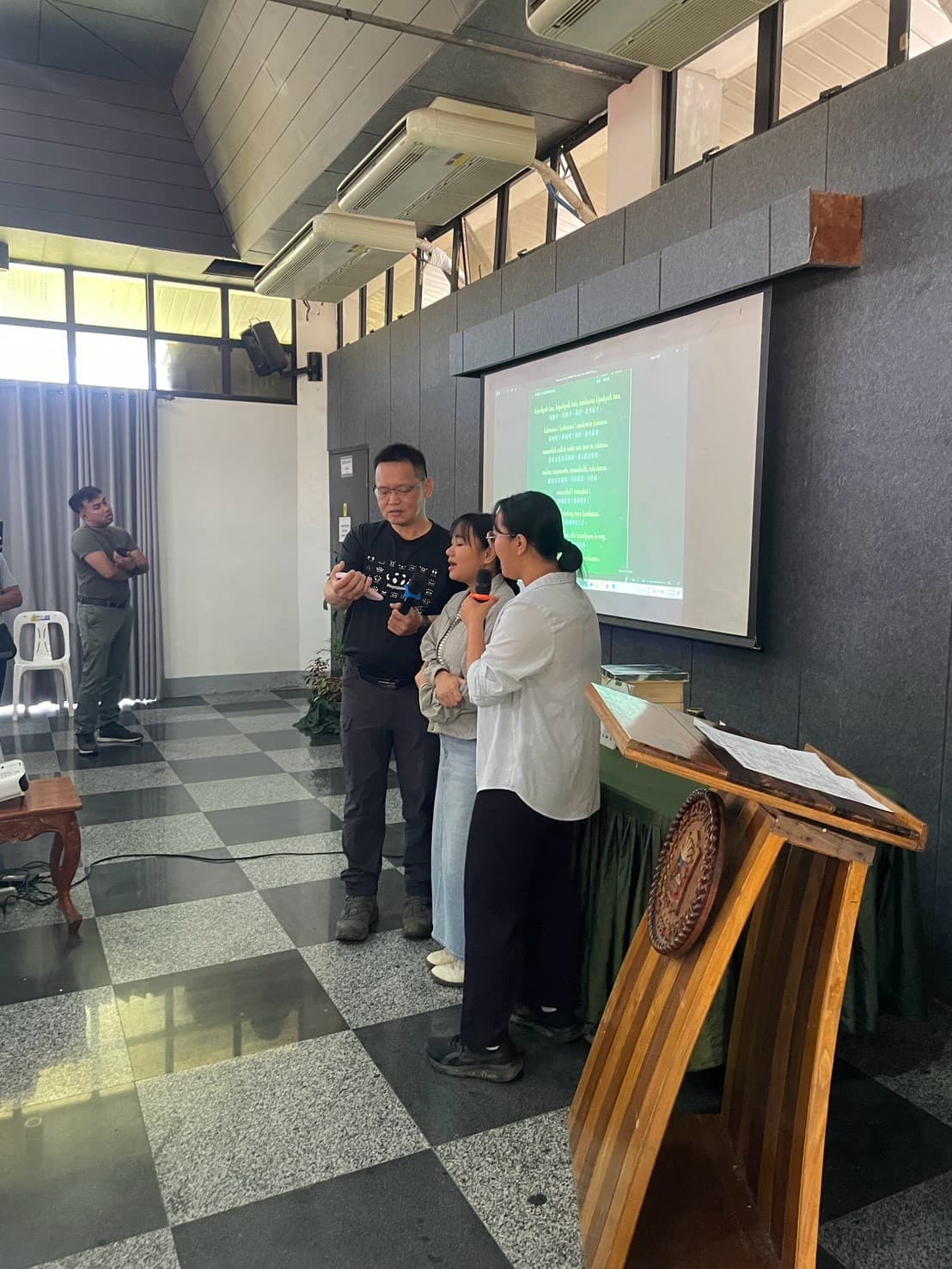
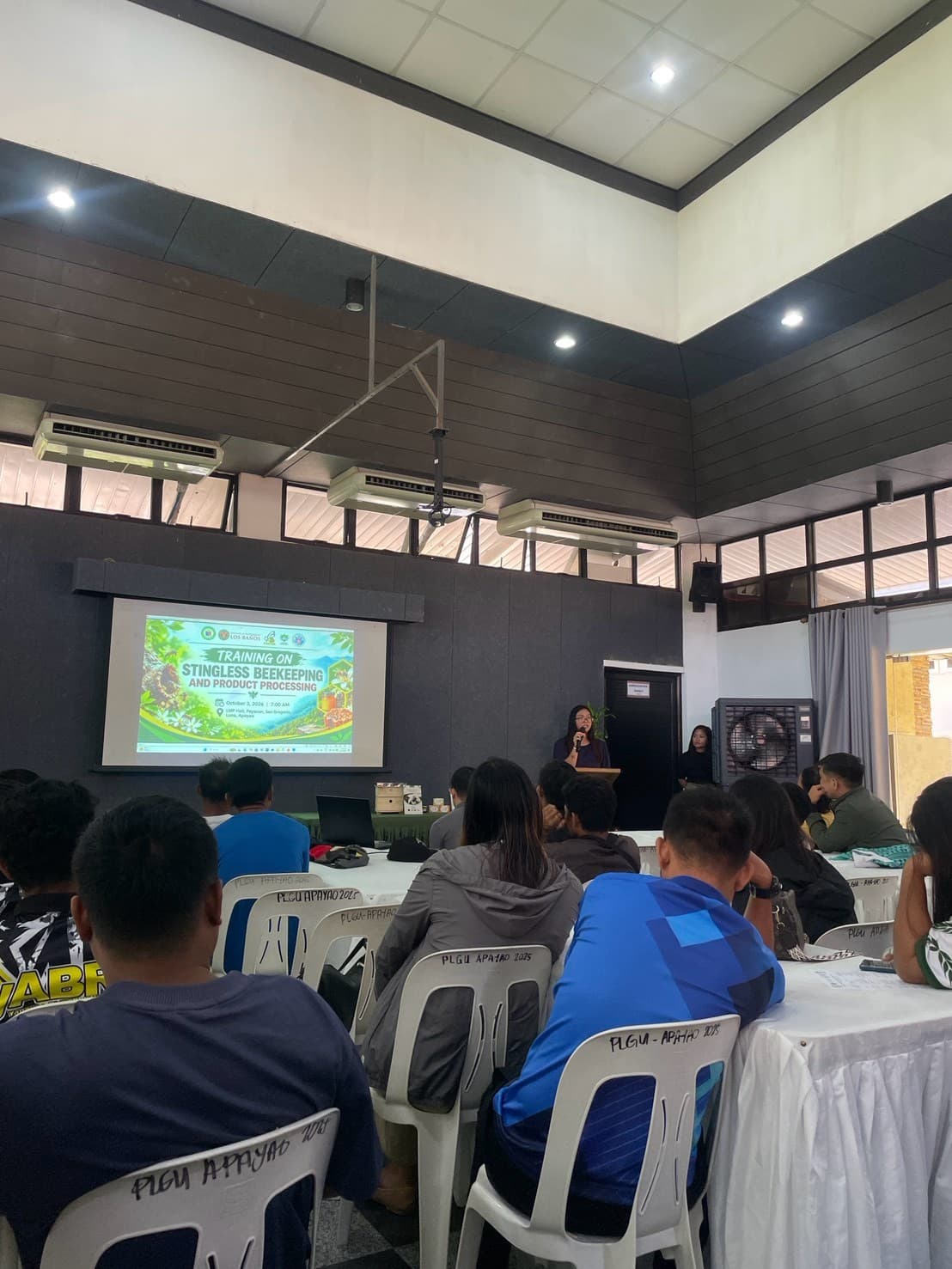
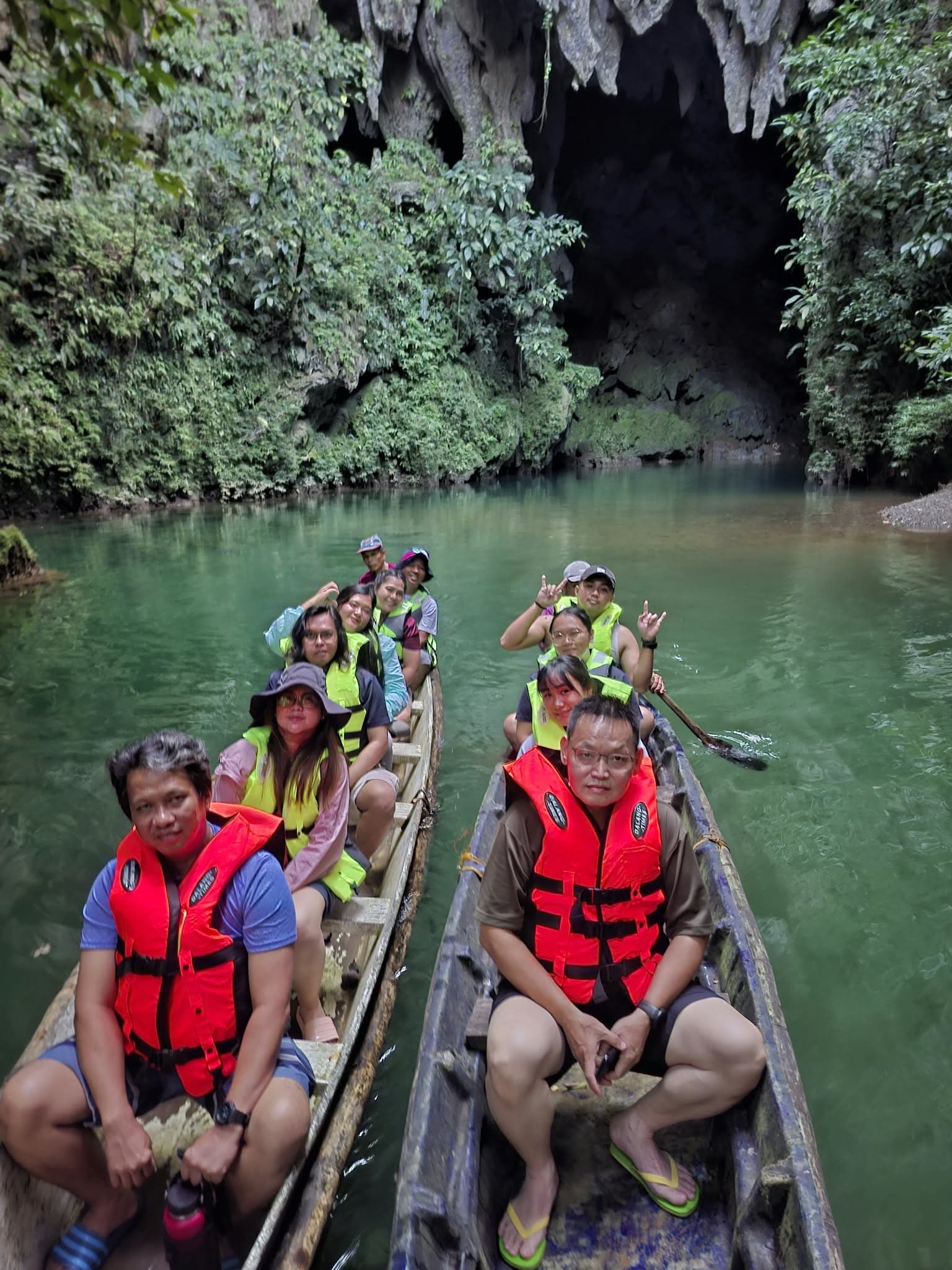
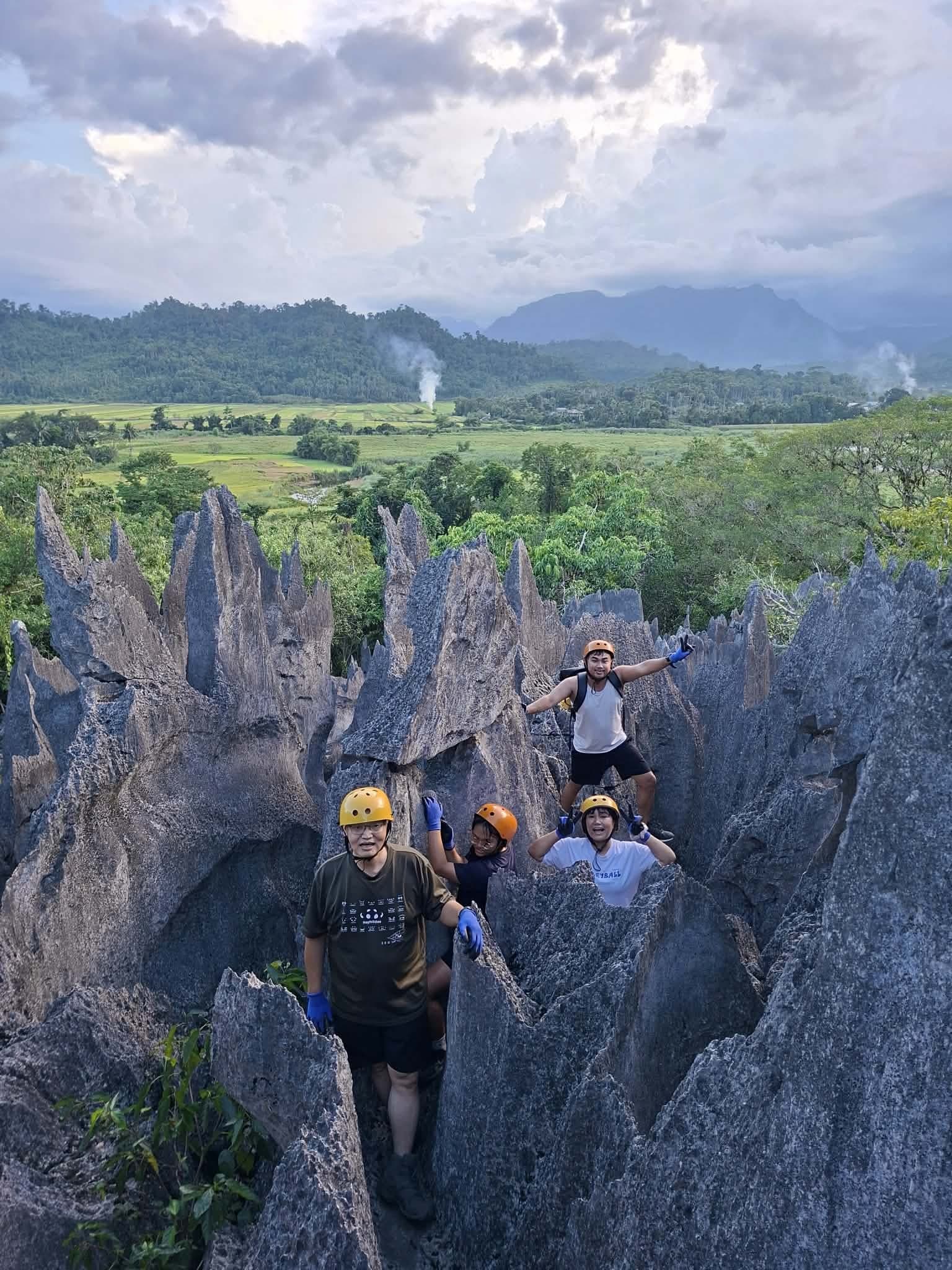
Bees, songs and shared roots. On October 3, the Provincial Government and the UPLB Bee Program hold a stingless beekeeping training, where Dr. Su presents and Namasia students Abus and Puni share a song. The afternoon brings data gathering at Hutungan Hidden Paradise in Pudtol. On October 4, the hosts show the delegation Lussok Cave in Luna and the Kabugao Rock Formation. For students from Kaohsiung’s mountains, Apayao feels like home: the same rivers, the same forests.
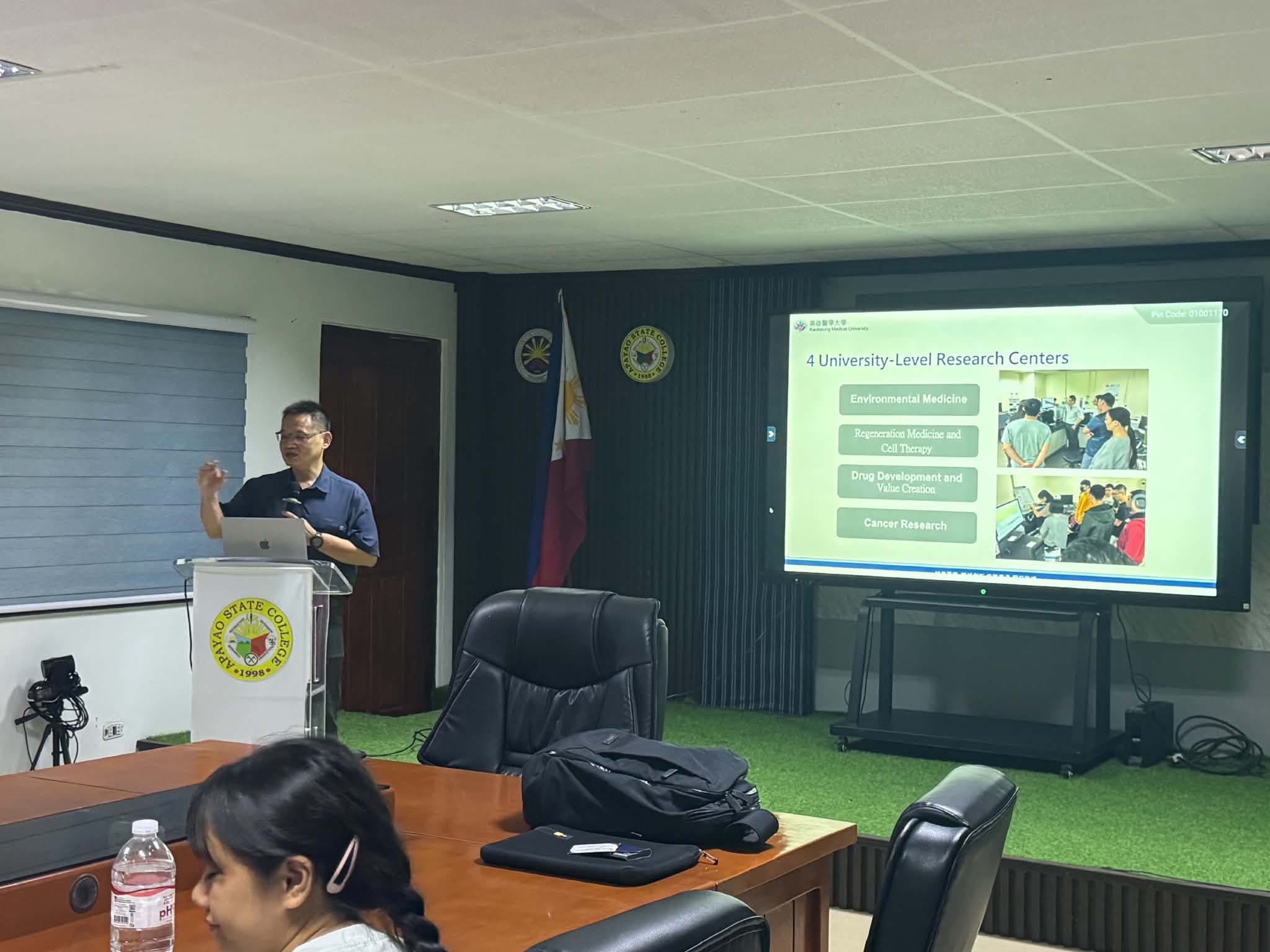
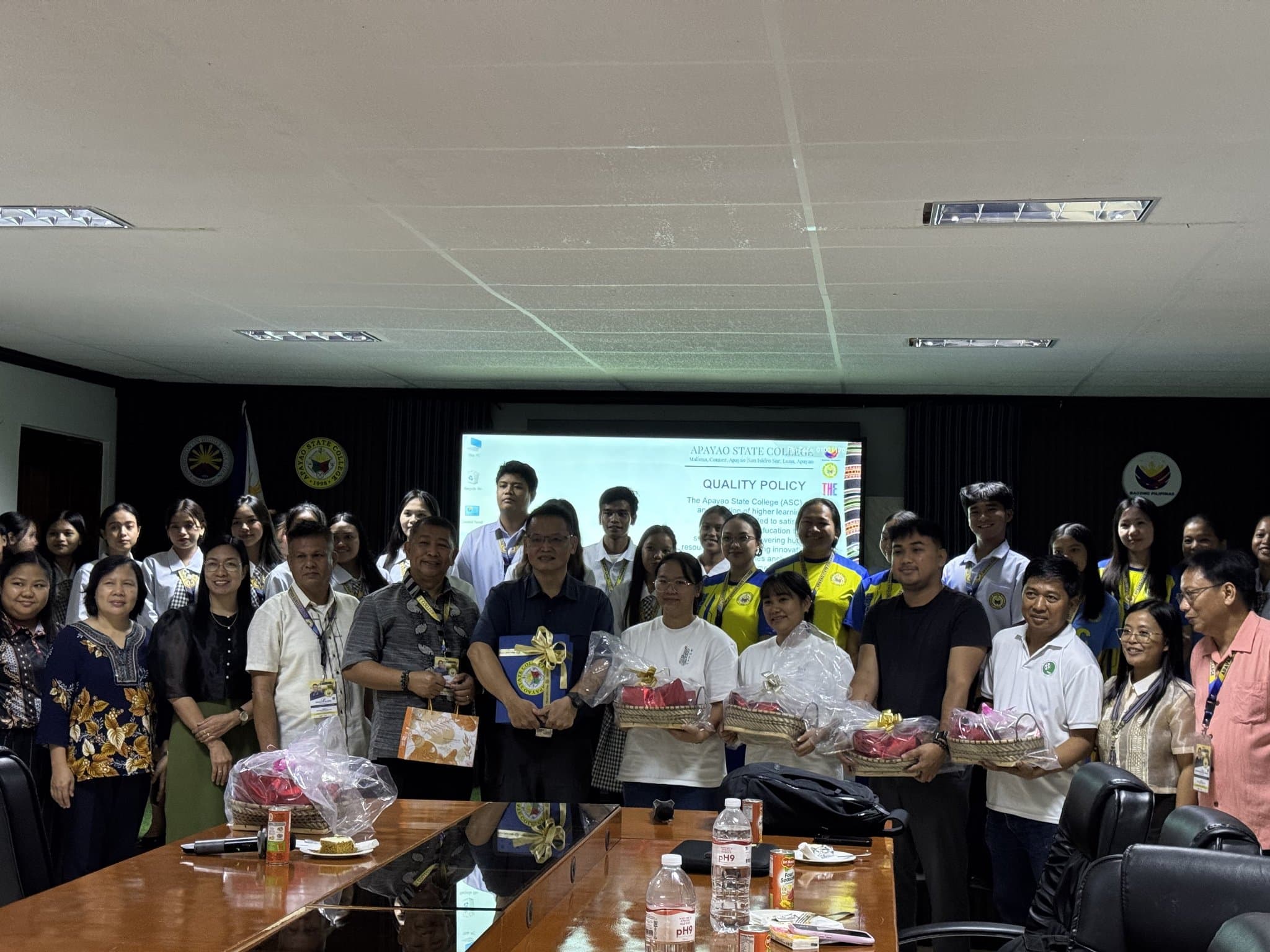
From the forest to the classroom. On the last day, Apayao State College welcomes the delegation at its Luna campus. Dr. Su presents a partnership built on student training and exchange. The college offers a small research office on campus and proposes widening the province’s research focus from ethno-medicine to ethno-botany. The mission closes at Kalinga State University’s College of Public Administration and Indigenous Governance in Tabuk City, hosted by Dr. Karen Razelle M. Duyan and Ms. Kristine Ann Diki.
This mission is also a lesson in Transnational Human Capital Development (THCD). A laboratory is only as strong as the people who run it. Taiwan, facing an aging population and growing demand for skilled scientists, caregivers and professionals, gains the most from partners who build capability where it matters. The Philippines’ strongest contribution is its people: researchers, students and Indigenous knowledge holders who bring skills and a deep understanding of place, not just labor. Home 2 Taiwan’s role is to build people, not just fill positions, through training, upskilling and credentialing. Every future H2TW initiative will be read through this same THCD lens.
Stay tuned to our page for more stories of Filipinos building the nation, away from home. 🇵🇭🇹🇼
#Home2Taiwan #THCD #Apayao #Cordillera #MirrorLab #Biodiversity #BiosphereReserve #StinglessBees #Isnag #ApayaoStateCollege #KalingaStateUniversity #USR #KMU #UPLB #Bayanihan #Taiwanihan #Philippines #Taiwan
Photo Gallery