People at the Center of the Supply Chain: Dr. Yong-Chao Su on Ecology, Indigenous Knowledge, and Human Capital
New Filipino scholars in Taiwan learn from Dr. Yong-Chao Su of Kaohsiung Medical University that every lasting supply chain, in nature, in industry, and in community, is built on people.
September 28, 2026 | People at the Center of the Supply Chain: Dr. Yong-Chao Su on Ecology, Indigenous Knowledge, and Human Capital
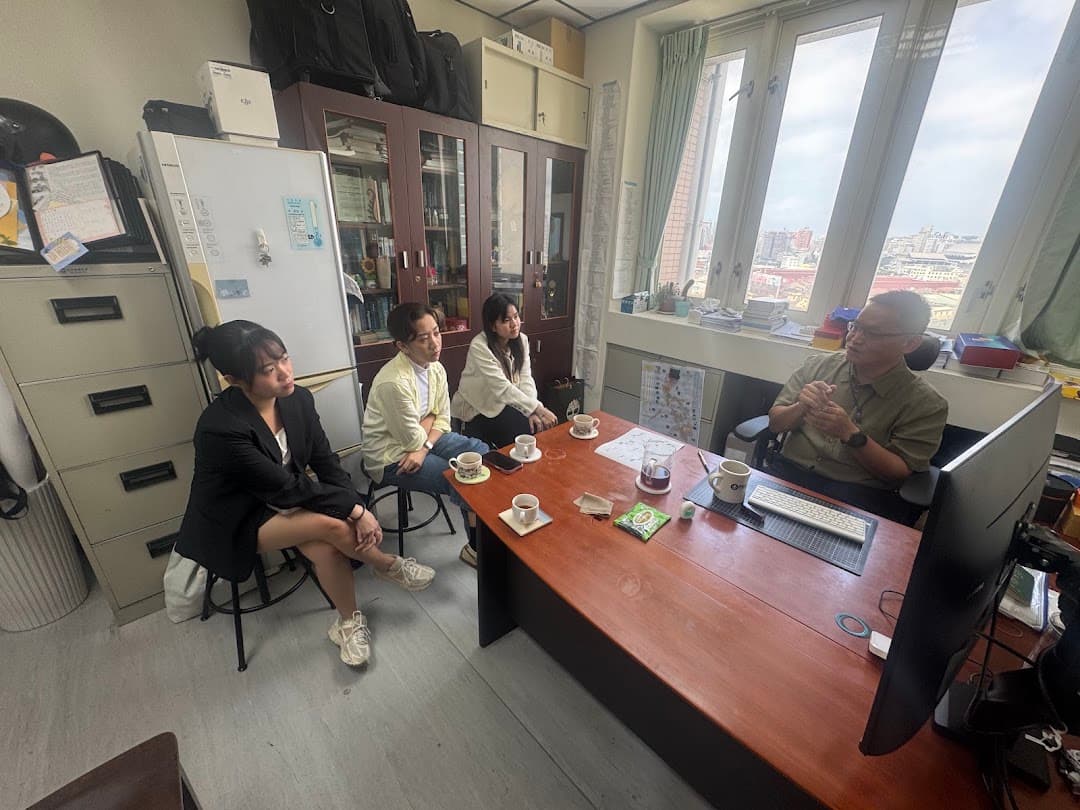
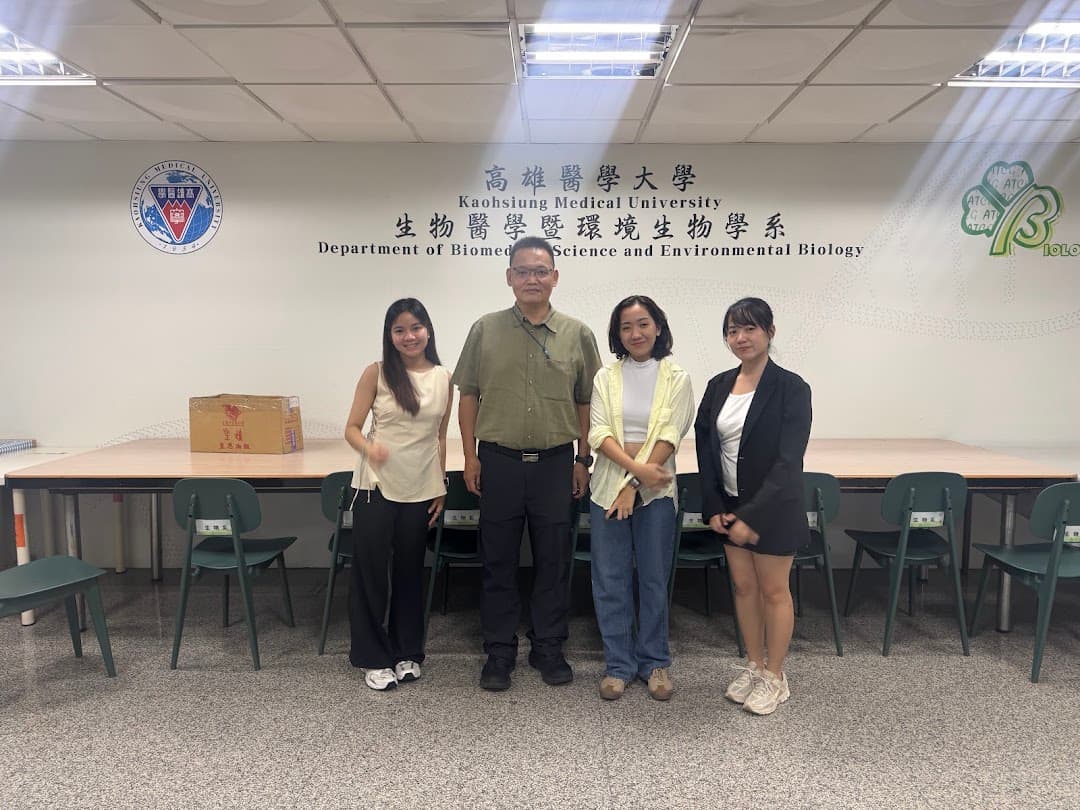
What makes a supply chain last? One month into their studies in Taiwan, new Filipino scholars sit down with Dr. Yong-Chao Su of Kaohsiung Medical University (KMU) to find out. His answer comes from decades of honeybee research with Indigenous communities: "The most important supply chain or value chain is the human capital return. If you don't build the people, you don't get to build a supply chain in the community."
An ecosystem is a partnership, not a competition. Dr. Su reminds the scholars what ecologists mean by an ecosystem: different parts, each playing a role, each giving and receiving benefit. "If they compete against each other, it's not an ecosystem. That system eventually will collapse." He learned this from Indigenous elders, who keep bees and plant more fruit in the forest so wild animals find food there instead of raiding the farms. The community, the forest, and the bees each hold a place in one supply chain.
Why Taiwan's industry works. The same logic explains Taiwan's success in creating an ecosystem that relies on each other, so no single company can simply be moved elsewhere. You cannot move one part, Dr. Su says; you can only collaborate with the whole. Communities work the same way: you do not take pieces from them; you build with them.
Building people, one micro-supply chain at a time. Through University Social Responsibiliy Project, young people learn their environment from kindergarten onward, so they are willing to return home and confident dealing with who they are." In his words: 回家跳舞, go home and dance, dance as you are.His former students now run their own companies, and startups incubated together form micro-supply chains that support each other and their communities. He is now working with the University of the Philippines System to build the same model with Filipino students.
Stories carried by migration and craft. The scholars, from Taipei National ng Chuan University with roots in Iloilo and Quezon Province, bring their own work: migration policy for Filipinos in Taiwan, wood carving, and hablon's partner community is itself a migration story, formed by families from different Indigenous groups after the 2009 Typhoon Morakot. Through shared raft become a common language emerged between both peoples, a relationship of mutuality rather than charity.
This conversation is also a lesson in Transnational Human Capital Development (THCD). Dr. Su's human-centered supply chain is THCD in practice. Taiwan faces an aging population and growing demand for skilled professionals in healthcare, long-term care, industry, and research. The Philippines' strongest contribution to that ecosystem is its people. Filipino scholars bring skills, cultural fit, and a readiness to build bridges. Home2Taiwan's role is to build people, not just fill positions, through training, upskilling, credentialing, and a community that keeps scholars. Every future H2TW initiative will be read through this same THCD lens.
Stay tuned to our page for more stories of Filipinos building the nation, away from home. 🇵🇭🇹🇼
#Home2Taiwan #THCD #HumanCapital #EcologicalSupplyChain #PeopleFirst #USR #IndigenousKnowledge #AustronesianMutuality #FilipinosInTaiwan #NationBuildingAwayFromHome #Bayanihan #Taiwanihan #Philippines #Taiwan
Photo Gallery